A21’s September Top 5: The Brands New Jersey Shoppers Reached For Most

A21’s September Top 5: The Brands New Jersey Shoppers Reached For Most

Every month, the shelves at A21 Wellness Dispensary tell a story that no menu can. In September, as summer routines gave way to fall schedules, five brands led the rankings at the Scotch Plains shop on Route 22, and together they sketch a clear picture of what New Jersey cannabis shoppers want right now: convenience, consistency, and a product they can trust to deliver the same experience every time.

The list spans two very different corners of the menu. Two of the five brands are known for vapes, flower, and pre-rolls, while the other three lean toward edibles and drink-style products. That split alone says something about how the market has matured, since shoppers are no longer choosing one format and sticking to it. They are building a small rotation, and these five brands are the ones filling it.

No. 1: Fernway

Fernway took the top spot, and its rise fits the broader appetite for easy, ready-to-use formats. The brand was founded in 2018 in Northampton, Massachusetts, and built its reputation on premium vape cartridges, rechargeable all-in-one devices, and live-terpene products, along with infused pre-rolls. It arrived in New Jersey in late 2023 through a licensed partner, according to a company profile, and has spent the time since turning first-time buyers into repeat customers.

Why Vapes Keep Climbing

The appeal is largely practical. A rechargeable device removes the guesswork of loading a cartridge or carrying extra gear, and live-terpene formulations aim to keep more of the aroma and flavor associated with the original plant. For shoppers who have grown tired of choosing a vape based on potency alone, a brand that talks about flavor and strain character gives them a different way to decide. Anyone curious about how those formats compare can browse A21’s vaporizers selection, or read more about how Fernway describes its own history in this company profile.

No. 2: FullTilt Labs

Second place belongs to a homegrown name. FullTilt Labs is a family-owned, small-batch cultivator and manufacturer based in Ewing, New Jersey, and it sells its products only in the state. Flower and pre-rolls make up most of its business, with vapes and concentrates filling out the rest, according to analytics data on the brand. For a shopper who likes knowing where a product was grown, that local roots story carries weight, and it lines up neatly with the growing interest in craft and small-batch cannabis.

Hand-selected genetics and a limited production run tend to appeal to customers who already know what they like and want something with more character than a standard shelf jar. A21 carries FullTilt Labs across its flower and pre-roll menus, and shoppers can learn more about the brand’s profile in this brand overview.

No. 3: nama

Third place goes to nama, whose lineup is built around edibles and drink-style products. That format fits a wider movement toward lighter, more social ways of enjoying cannabis, where the goal is often a relaxed evening rather than an intense one. A21’s edibles and beverages pages show the current range in stock, and the team on the floor can walk through dosage and format for anyone trying the brand for the first time.

No. 4: grön

Fourth is grön, one of the best-known names in cannabis edibles. The brand is woman-led and traces its start to 2015, when founder and CEO Christine Apple began making a single dark chocolate bar in her own kitchen. It has since grown into a large producer, with bite-sized, fruit-flavored Pearls as its signature product and higher-dose MEGAs for experienced consumers, according to the brand’s own New Jersey announcement on Leafly.

A Gummy for Every Experience Level

What keeps grön near the top is range. A first-time edible buyer can look for a smaller, lower-intensity option, while a regular consumer with an established tolerance can choose something stronger. As with any edible, the standard advice applies: start low, go slow, and wait for the full effect before taking more.

No. 5: Good Tide

Rounding out the list is Good Tide, an edible brand from Wyld that makes its gummies with solventless hash rosin rather than a solvent-based extract. At its launch, the company highlighted vegan fruit flavors, plastic-free recyclable packaging, and a Climate Neutral Certified label, details that matter to shoppers who care about how a product is made as much as how it feels. Readers can find the original announcement in this press release coverage.

What the List Says About New Jersey Shoppers

Taken together, the September rankings point to a customer who values a clear identity behind a product. Whether the draw is a Massachusetts vape brand with a loyal following, a New Jersey cultivator working in small batches, or an edible maker with a decade of history, all five names offer a story shoppers can understand quickly. Convenience also shows up everywhere, from rechargeable devices to pre-rolled formats and ready-to-eat gummies.

Product availability at any dispensary changes week to week, so the best way to see what is on the shelf today is to check the live menu. Shoppers can browse everything on the shop page, arrange same-day delivery across much of the surrounding area, or learn more about visiting the store on the About Us page.

Disclaimer

For use only by adults 21 years of age and older. Keep out of reach of children. Cannabis products may have intoxicating effects and may be habit-forming. Do not operate a vehicle or machinery under the influence of cannabis. These statements have not been evaluated by the Food and Drug Administration. These products are not intended to diagnose, treat, cure, or prevent any disease. Please consult with a physician before use if you are pregnant, nursing, or taking any medications.
Cannabis and Workout Recovery: What Active NJ Consumers Should Know

Cannabis and Workout Recovery: What Active NJ Consumers Should Know

A few years ago, the idea of pairing cannabis with a fitness routine would have sounded like a contradiction to most gymgoers. That perception has shifted considerably. At A21 Wellness Dispensary in Scotch Plains, staff have noticed a steady rise in customers describing themselves as runners, lifters, or regular gym members who are curious about working a cannabis product into their post-workout routine, right alongside the protein shake and the foam roller.

Why Post-Workout Cannabis Has Become a Routine for Some

The appeal, according to the customers who bring it up, usually comes down to winding down rather than performance. After an intense training session, many active consumers are looking for something that helps them transition out of an elevated, keyed-up state and into a more relaxed evening. Cannabis products marketed around relaxation and recovery have found a natural audience here, though it’s worth being clear that these products are not medical treatments and haven’t been evaluated for that purpose. What consumers describe is largely about comfort and routine rather than any guaranteed physical outcome.

Topicals: The Most Direct Option for Sore Muscles

For localized soreness after a hard session, topicals have become one of the most popular entry points into this category. Balms and lotions applied directly to a sore shoulder, lower back, or set of tired legs don’t typically produce any intoxicating effect, since topical cannabis generally doesn’t reach the bloodstream the way inhaled or ingested products do. That makes topicals an appealing option for someone who wants to explore cannabis as part of a recovery routine without any change to how they feel mentally.

Low-Dose Edibles and Tinctures for Post-Workout Wind-Down

For consumers looking for something beyond a topical, low-dose edibles and tinctures have become the next most common recommendation. A small edible or a few drops of a tincture in the early evening, well after training has ended, fits naturally into a wind-down routine without interfering with the workout itself. A21’s edibles selection includes a range of low-milligram options that suit exactly this kind of use, particularly for consumers who are still getting a feel for how cannabis affects their body after physical activity.

Timing Matters More Than People Expect

One detail that comes up constantly in these conversations is timing. Consumers who have experimented with this routine generally agree that cannabis works best after training rather than before or during it, when coordination, focus, and heart rate are all more relevant to performance and safety. A product that feels perfectly appropriate for a Sunday evening wind-down is a poor fit for a Tuesday morning workout, and most experienced consumers treat the two situations very differently.

What to Avoid Before Training

THC can affect coordination, reaction time, and perceived exertion, all of which matter during exercise, particularly anything involving heavy lifting, complex movement, or cardiovascular strain. Consuming before a workout also carries the same risks associated with any activity requiring full physical control and alertness. For these reasons, most consumers who incorporate cannabis into a fitness routine keep it firmly on the recovery side of the schedule rather than the preparation side.

Building a Recovery Routine That Works

The consumers who seem happiest with this approach tend to treat cannabis as one part of a broader recovery routine rather than a replacement for the basics. Hydration, stretching, and adequate sleep still do most of the work, with a topical or a low-dose edible layered in afterward as a way to help the transition from an active state to a relaxed one feel a little smoother. As with most cannabis use, starting with the lowest available dose and adjusting slowly tends to produce the most consistent results.

A21 Wellness Dispensary in Scotch Plains carries a full selection of topicals, tinctures, and low-dose edibles suited to exactly this kind of routine. Shoppers can browse the complete lineup on the shop page or stop by the Route 22 location to ask a budtender for a recommendation based on their specific training schedule.

Disclaimer

For use only by adults 21 years of age and older. Keep out of reach of children. Cannabis products may have intoxicating effects and may be habit-forming. Do not operate a vehicle or machinery under the influence of cannabis. These statements have not been evaluated by the Food and Drug Administration. These products are not intended to diagnose, treat, cure, or prevent any disease. Please consult with a physician before use if you are pregnant, nursing, or taking any medications.

Craft Cannabis in NJ: What “Small-Batch” Really Means on the Label

Craft Cannabis in NJ: What “Small-Batch” Really Means on the Label

Walk down the flower aisle at a New Jersey dispensary today and the language on the packaging has clearly evolved. Alongside the strain name and THC percentage, words like small-batch, craft, and artisanal now appear regularly, echoing a shift that happened years earlier in beer, coffee, and chocolate. At A21 Wellness Dispensary in Scotch Plains, more customers are asking what those labels actually mean, rather than simply reaching for whichever jar shows the highest potency number.

Where the Craft Cannabis Trend Came From

As the cannabis market has matured, the early fixation on THC percentage alone has started to fade. Consumers who have already tried dozens of high-potency products are increasingly looking past the biggest number on the label and paying closer attention to flavor, aroma, and the overall growing process behind a product. That shift has created room for smaller cultivators to compete on quality and character rather than scale, and “craft” has become the shorthand shoppers use to describe that difference.

What “Small-Batch” Actually Means at the Grow Level

In practice, small-batch cultivation usually means a grower is working with a limited number of plants per harvest, allowing far more individual attention than a large commercial operation can offer. Hand-trimming replaces machine trimming, watering and feeding schedules are adjusted plant by plant rather than by zone, and harvest timing is judged by the individual plant’s readiness rather than a fixed calendar date across an entire facility. The tradeoff is volume. A small-batch cultivator simply cannot produce as much flower as a large commercial grow, which is part of why craft products tend to carry a higher price point.

How Curing Affects the Final Product

Curing is one of the most overlooked parts of the process, and it’s where much of the craft difference actually shows up. Properly cured flower is dried slowly and stored under controlled humidity for weeks, allowing chlorophyll to break down and terpenes to stabilize. Rushed curing, common in high-volume commercial production, can leave flower with a harsher smoke and a flatter aroma. Growers who market themselves as craft or small-batch typically treat curing as a deliberate, unhurried stage rather than a step to move through quickly.

How to Spot Genuine Craft Characteristics on a Label

A cannabis label can tell a shopper quite a bit if they know where to look. A named cultivator rather than a generic brand often signals a smaller, more accountable operation, and a specific harvest or batch date suggests the grower is tracking individual runs rather than blending large volumes together. Terpene percentages that vary noticeably from batch to batch, rather than staying suspiciously consistent, are often a sign of a smaller operation working with living plant material rather than standardized formulations. None of these details guarantee a better product on their own, but together they paint a more complete picture than a THC number ever could.

Craft Doesn’t Always Mean More Expensive — or Better

It’s worth being honest about the limits of the trend. A craft label doesn’t automatically mean a product will outperform a well-made commercial one, and plenty of large-scale cultivators produce excellent, consistent flower. Craft cannabis tends to appeal most to shoppers who already know their preferred terpene profiles and are looking for a more distinct, less standardized experience, rather than shoppers simply looking for the best value on a given visit. As with most things on a cannabis menu, the right choice depends on what a particular shopper is actually looking for.

Where to Find Craft Selections at A21

A21 Wellness Dispensary carries a rotating selection of small-batch and craft-focused brands alongside its broader flower and pre-roll menu, and staff on the floor are familiar with which cultivators fall into that category on any given week. Shoppers curious about trying a craft product for the first time are encouraged to ask a budtender for a comparison against a familiar commercial option, or to browse the full current selection on the shop page.

Disclaimer

For use only by adults 21 years of age and older. Keep out of reach of children. Cannabis products may have intoxicating effects and may be habit-forming. Do not operate a vehicle or machinery under the influence of cannabis. These statements have not been evaluated by the Food and Drug Administration. These products are not intended to diagnose, treat, cure, or prevent any disease. Please consult with a physician before use if you are pregnant, nursing, or taking any medications.

Cannabis for NJ’s 50+ Shoppers: What Older Consumers Are Buying in 2026

Cannabis for NJ’s 50+ Shoppers: What Older Consumers Are Buying in 2026

The image most people still associate with cannabis shopping doesn’t match what’s actually happening at dispensary counters across New Jersey. At A21 Wellness Dispensary in Scotch Plains, one of the more notable shifts of the past year hasn’t come from a new product launch or a trending strain. It’s come from who is walking through the door. Shoppers over 50 have quietly become one of the fastest-growing groups in the store, and their habits look very different from the stereotype of the college-age cannabis consumer.

A Different Kind of Cannabis Shopper

Many of these customers aren’t new to cannabis out of curiosity alone. Some tried it decades ago and are returning after legalization made the process feel safer and more transparent. Others are entirely new, drawn in by conversations with friends, adult children, or a physician about alternatives to their current evening routine. What budtenders at A21 consistently notice is that this group tends to ask more questions before buying, wants to understand exactly what they’re purchasing, and is far less interested in chasing the highest THC percentage on the shelf.

Why Edibles Lead the Way for This Group

Edibles have become the clear starting point for many older shoppers, and the reasons are fairly practical. There’s no smoke, no lingering odor, and no unfamiliar equipment to learn. A gummy or a chocolate looks and feels like something already familiar, which tends to lower the intimidation factor for a first-time or returning customer. A21’s edibles selection includes options across a wide dosage range, which matters considerably for a group that generally prefers to start conservatively rather than aim for a strong effect right away.

Low and Slow: The Preferred Dosing Approach

The phrase “start low and go slow” comes up constantly in these conversations, and for good reason. A large share of 50+ shoppers gravitate toward the lowest available dose on the menu, often in the 2.5 to 5 milligram range, and are comfortable waiting several days between adjustments rather than increasing quickly. This unhurried approach tends to produce a more comfortable, more predictable experience, and it’s one of the clearest behavioral differences between this age group and younger, more experimental shoppers.

Beyond Edibles: Tinctures and Topicals

Interest doesn’t stop at edibles. Tinctures have found a steady audience among older shoppers because they offer measured, drop-by-drop dosing without any smoke or vapor, and they can be added easily to an existing evening routine. Topicals have seen similar interest, largely because they can be applied directly and don’t produce any of the intoxicating effects associated with other product categories, which appeals to shoppers who want to explore cannabis without necessarily feeling “high.” A21’s tinctures selection has become a regular recommendation for exactly this kind of customer.

What Budtenders Are Noticing at the Counter

Staff describe these conversations as slower and more detailed than the average transaction, and that’s considered a good thing. Questions about drug interactions, appropriate starting doses, and how a product will actually feel come up far more often with this group than with younger, more experienced shoppers. A21’s team has adjusted accordingly, spending extra time walking through labels, explaining the difference between THC percentage and milligram dosing, and pointing newer customers toward the smell-and-see boxes in the store so they can explore aroma and terpene profiles before committing to a purchase.

A Shopping Experience Built for Every Generation

A21 Wellness Dispensary was designed with exactly this kind of varied customer base in mind. The in-store experience on Route 22 gives shoppers a chance to see, smell, and ask questions before buying anything, which tends to matter more to a first-time older customer than a scroll through an online menu ever could. For customers who prefer not to visit in person, A21 also offers same-day delivery across much of Union and Middlesex County, a convenience that has proven especially popular among less mobile or time-constrained shoppers.

Whether it’s a first visit after decades away from cannabis or a completely new introduction to the category, A21’s team is trained to meet every customer exactly where they are. Learn more about A21 Wellness Dispensary and what to expect during a visit on the About Us page.

Disclaimer

For use only by adults 21 years of age and older. Keep out of reach of children. Cannabis products may have intoxicating effects and may be habit-forming. Do not operate a vehicle or machinery under the influence of cannabis. These statements have not been evaluated by the Food and Drug Administration. These products are not intended to diagnose, treat, cure, or prevent any disease. Please consult with a physician before use if you are pregnant, nursing, or taking any medications.

Tolerance Breaks: How and Why to Reset Your Cannabis Tolerance in NJ

Tolerance Breaks: How and Why to Reset Your Cannabis Tolerance in NJ

Ask a handful of longtime cannabis consumers what changed about their routine this year, and a surprising number will mention the same thing: a break. Not from cannabis altogether, but a deliberate pause designed to reset how their body responds to it. As more New Jersey shoppers move from occasional to near-daily use, a natural side effect has followed — tolerance. The same gummy or the same pre-roll that once delivered a strong, reliable effect starts to feel noticeably weaker, and the instinct for many is simply to buy something stronger.

At A21 Wellness Dispensary in Scotch Plains, budtenders say tolerance breaks have become one of the more common conversations at the counter this year, particularly among customers who describe themselves as daily users. Rather than chasing higher potency, a growing number of consumers are choosing to step back for a short period and let their tolerance settle instead.

What a Tolerance Break Actually Is

A tolerance break, often shortened to a T-break, is a period of reduced or paused cannabis consumption intended to allow the body’s endocannabinoid system to reset. Regular use of THC gradually down-regulates cannabinoid receptors in the brain, which is the biological reason a product that once felt strong can start to feel underwhelming after weeks or months of consistent use. A tolerance break does not change personal preference, but it does allow those receptors to become more sensitive again, which is why many consumers describe their first session back as noticeably more potent than expected.

Why the Conversation Is Growing in 2026

Cannabis consumption patterns have shifted considerably over the past several years, and a meaningful share of today’s shoppers now consume near-daily rather than occasionally. That shift has made tolerance a much bigger part of the conversation than it used to be. Instead of treating high potency as the default goal, more consumers are asking how to get the most out of a moderate dose, which naturally leads back to tolerance management. A short reset can mean spending less per visit, feeling more from a lower-milligram edible, and avoiding the slow creep toward needing stronger and stronger products just to feel a familiar effect.

How Long a Tolerance Break Typically Takes

There is no single universal timeline, since tolerance depends heavily on frequency, dose, and individual body chemistry. Many consumers who use cannabis daily report noticing a difference after roughly one to two weeks off, while occasional users may barely need a break at all. Some choose a full reset lasting a month, while others prefer a lighter version, cutting frequency in half or switching to a lower-potency product for a few weeks rather than stopping completely. The right length really comes down to personal goals — someone hoping to save money on their next purchase might only need a few days, while someone managing a noticeably higher daily habit may benefit from a longer pause.

What Happens to the Body During the Break

The first several days are usually described as the most noticeable part of the process. Sleep patterns may shift temporarily, appetite can fluctuate, and some people report feeling more restless than usual. These effects are generally mild and tend to fade within the first week for most people. By the second week, many consumers report sleeping normally again and generally feeling like their baseline self, just without the cannabis routine they had grown used to.

Making a Break More Manageable

Consumers who successfully complete a tolerance break often say that planning ahead made the biggest difference. Picking a lower-stress stretch of the calendar, rather than a demanding work week, tends to make the first few days easier. Staying busy, keeping normal exercise and sleep routines in place, and leaning on non-cannabis relaxation habits can all help fill the gap left behind. Some consumers also choose to keep CBD-forward products in rotation during a break, since CBD does not carry the same tolerance-building mechanism as THC and can help ease some of the temporary discomfort of the reset.

Returning to Cannabis After a Reset

The most common mistake after a successful tolerance break is picking up exactly where a consumer left off, at the same dose and the same frequency. Because sensitivity has increased, that same dose often feels considerably stronger than expected. Coming back slowly, starting with roughly half of what was previously a normal amount and reassessing before consuming more, tends to produce a far more enjoyable first session back, and it also helps preserve the benefit of the reset for longer.

Whether the goal is stretching a budget further, feeling more from a familiar product, or simply taking a mindful step back, a tolerance break is one of the simplest adjustments a regular consumer can make. A21 Wellness Dispensary in Scotch Plains carries a full range of flower, pre-rolls, vapes, and edibles at different potency levels, making it easier to ease back in gradually once a reset is complete. Shoppers planning a break are welcome to stop by the Route 22 location and talk through the process with a member of the team, or learn more on the About Us page.

Disclaimer

For use only by adults 21 years of age and older. Keep out of reach of children. Cannabis products may have intoxicating effects and may be habit-forming. Do not operate a vehicle or machinery under the influence of cannabis. These statements have not been evaluated by the Food and Drug Administration. These products are not intended to diagnose, treat, cure, or prevent any disease. Please consult with a physician before use if you are pregnant, nursing, or taking any medications.

What to Know Before Visiting a Cannabis Dispensary in NJ

In 2021, New Jersey legalized and decriminalized cannabis. This came after advocates called for attention to the damage done by prohibition.

Today, anyone over the age of 21 in the state can buy and consume cannabis. Ready to hit the shop? Here’s what to know.

Know the State Laws on Recreational Cannabis

According to the state, you need to abide by a few laws to buy and possess cannabis legally. For example, New Jersey residents can possess up to a certain amount of different product types. An individual may have:

  • (1) ounce of dried flower (or 28.35 grams)
  • (4) grams of solid cannabis concentrates or resin
  • (4) grams of vaporized formulations (oil); or
  • 1000 mg of multiple ingestible cannabis-infused products

You may also buy a combination of products. For example, you could buy a ½ ounce of dried flower and 2 grams of concentrates.

Products legally sold at dispensaries include:

Keep in mind that availability will vary based on the dispensary.

Benefits of Visiting a New Jersey Dispensary

When you step into a dispensary, you can bring your questions and passion for the plant. Dispensaries – and especially our A21 Wellness team – encourage conversations around wellness. Store associates want to help you find what’s perfect for you.

Whether it’s your first trip or your 10th, a dispensary visit should excite you about your purchases and the experiences ahead.

Dispensaries also offer convenience and quality assurance. And supporting your local shop helps support the products that make people feel good. It’s a win-win.

You have a voice, and your budtenders are happy to hear your questions and offer suggestions.

What to Bring to the Dispensary
Coming prepared to the dispensary is the best way to have a smooth experience. Here’s what to have with you on your way in:

  • Government-Issued ID: At all New Jersey dispensaries, you need to show your ID to verify your age and identity. You can use a driver’s license, a non-driver ID, or a passport. It just needs to be issued by the state government.
  • Cash or a Debit Card: Even though cannabis is legal in New Jersey, it remains a federally illegal substance. So, cannabis businesses struggle to get secure methods of banking. As a result, many dispensaries don’t accept credit cards. Some accept debit cards and even provide access to an ATM. Arriving with cash is a smart move.
  • Questions: Your budtender is a resource. Don’t be afraid to ask questions and tap into their product knowledge. They’re trained to help everyone, from first-time visitors to cannabis connoisseurs.
  • An Open Mind: Consider taking time before visiting the store to view the online menu. Our staff will be there to help you, of course. But getting to know the menu beforehand can help make the process of choosing products easier.

Discover a Unique Dispensary Experience

Experience the extraordinary at A21 Wellness, a recreational dispensary in Scotch Plains. We offer a hand-picked selection of high-quality strains, concentrates, and edibles.

We’re setting the standard for cannabis retail in New Jersey. Inside, you’ll find a smart tech experience that sets us apart.

Our shop features smell-and-see boxes to help you explore terpene profiles of different strains. You’re given the tools to take control of your shopping experience.

When you visit our dispensary, you’ll find an approach like no other – your wellness matters.

What are the Effects of Cannabis?

Cannabis is a complex plant, and there are still many things that we don’t understand about it yet. However, with more research and education, researchers have discovered the three types of cannabis plants – sativa, indica, and hybrid. By learning the differences of each, we can better understand how to use cannabis for its many benefits. So, let’s explore all the possibilities that cannabis has to offer and discover your perfect fit.

What are the Different Types of Cannabis?

While there is much debate on the differences between these three types, each has its own unique characteristics that can help you decide which type is right for you. Learn the many differences among the 3 common strain types, plus how the many cannabinoids and terpenes contribute to a full spectrum of effects.

What is Cannabis Sativa?

The most well-known type of cannabis is Cannabis sativa. It has been used for centuries in many parts of the world for medicinal and recreational purposes. Sativa plants are usually tall, thin, and take a few weeks longer to harvest than indica plants or most hemp.

The effects of consuming cannabis sativa can be described as an energizing and cerebral high, with a tendency to make users feel a boost of energy and inspire creativity or increase one’s alertness. Our Scotch Plains dispensary menu is filled with strong and potent sativa cannabis products – from edibles, pre-rolls, concentrates, flower, and more!

What is Cannabis Indica?

Indica is the last type of cannabis. These types of plants typically grow shorter and bushier compared to sativa. When consumed, the effects of indica are usually described as more calming and sedative than a buzzy sativa strain. It is also known for its ability to provide deep relaxation and indica strains dominant in sedating terpenes have been found to help induce sleep.

A21 Wellness adult-use dispensary offers a great selection of indica-based products, made for unwinding, relaxing, and relieving.

Defining Cannabis Hybrids

Cannabis hybrids are created when two or more types of cannabis plants are crossed to produce a unique strain. Hybrids tend to have a mix of characteristics from the parent strains, making them well-suited for certain conditions and effects. For instance, if a sativa plant is bred with an indica plant, the plant grown would be known as a hybrid – combining the effect, flavor, and aroma profile from both plant genetics.

This form of genetic plant breeding allows cultivators to strategically breed and combine desired effects and plant genetics to create a new and unique strain. When browsing through our New Jersey dispensary menu, you’ll find a wide selection of hybrid cannabis products. Be sure to read the package description or ask a budtender to know about the genetic lineage of the hybrid strain and learn what effects and experiences you can expect.

Tips for the Best Cannabis Experience

No matter which type of cannabis you choose, it’s important to do your research and understand the differences of each cannabis strain type. Different types of cannabis have different effects, so it’s important to find the one that best fits your needs. Be sure to check the label for strain genetics and cannabinoid content before making a purchase, or chat with a budtender from our NJ dispensary for answers to any canana-curious questions. With the right information, you can find the perfect type of cannabis for you.

It’s also important to remember that cannabis is a personal experience – what works for one person might not work the same way for another. It’s best to start with a low dose and increase gradually until you find the right amount for you. This can help ensure your experience with cannabis is as enjoyable and safe as possible.

The Influence of the Entourage Effect
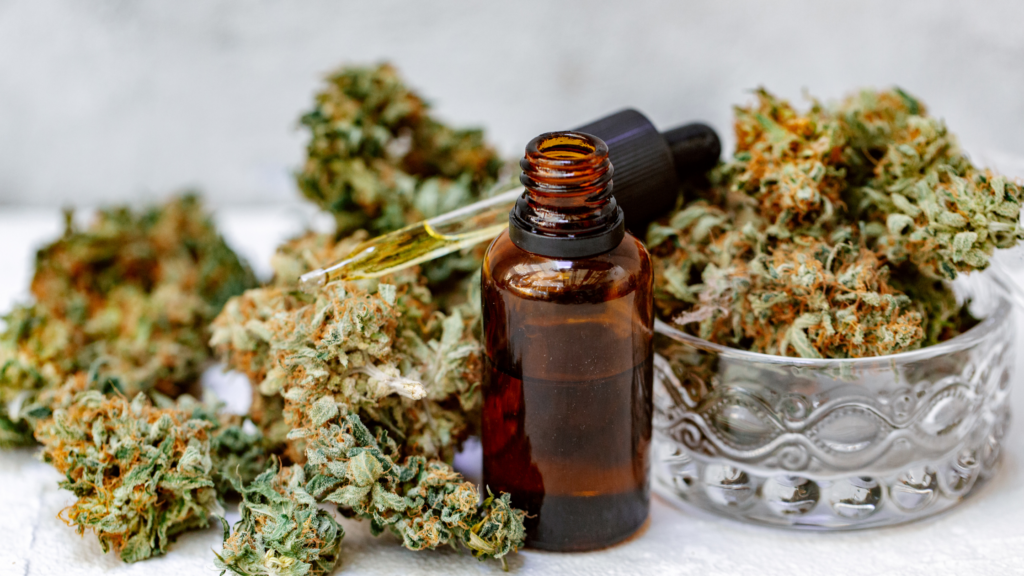
When you consume or smoke cannabis flower, the cannabinoids and terpenes, the aromatic compounds found in plants, both work together to create a unique and harmonious interaction. Each cannabinoid and terpene has a specific role in how it binds and interacts with receptors in our body’s endocannabinoid system, which results in the wide range of (often psychoactive) effects felt from consuming cannabis.

Finding the Right Cannabis For You at Our NJ Dispensary

Cannabis is an incredibly versatile plant, used for many different things. Whether you’re looking to relax after a long day or get creative with a new project, cannabis has the power to provide relief from stress and anxiety while also sparking your imagination. So, why not give it a try? With the right type of cannabis, you can enjoy the best of both worlds. Learn more about cannabis education on our blog page, and stop by our Scotch Plains cannabis dispensary today!

All About NJ Recreational Cannabis Legalization

One of the biggest changes to New Jersey in recent years has been the legalization of adult-use cannabis. This groundbreaking law, which passed in November 2020, opened up a whole new world of possibilities for entrepreneurs, consumers, and businesses alike. Learn all the basics to know about recreational cannabis legalization in New Jersey.

The History of Cannabis in New Jersey

Cannabis has a long history in New Jersey, dating back to the early 1900s when the plant was first introduced from Mexico for medical use. While recreational usage was prohibited until recently, medicinal cannabis use in New Jersey was legalized in 2010 and expanded upon with subsequent legislation over the years. On Thursday, April 21st 2022, the state legalized recreational cannabis in New Jersey, , allowing anyone 21 or older to purchase marijuana legally.

The Impact of NJ Cannabis Legalization

The legalization of cannabis for recreational use has led to significant changes in New Jersey, ranging from job growth to increased tax revenue. It has also created a highly competitive market, with dozens of businesses vying for a share of the cannabis industry in New Jersey. To make informed decisions when navigating the landscape of adult-use cannabis in New Jersey, it is important to have access to accurate information and resources. With over 130,000 medical marijuana patients and an estimated 800,000 potential recreational users, plus countless “tourism” consumers, the market is highly competitive.

To make informed decisions about navigating this complex landscape, it is essential to access accurate information and resources about NJ cannabis. In addition, the legalization of recreational cannabis has led to numerous benefits for New Jersey, from job growth and increased tax revenue to more freedom and convenience for individuals.

Regulations & Rules About NJ Cannabis

There are some rules that come along with this newfound freedom of recreational cannabis in NJ. You may only buy at alternative treatment centers and dispensaries licensed by the Cannabis Regulatory Commission, and a list of licensed cannabis businesses can be found on the CRC’s website. As far as how much cannabis you can purchase at a New Jersey dispensary, registered patients may buy up to 3 ounces of medicinal cannabis/cannabis product from an alternative treatment center every 30 days, though the dosage is directed by the authorizing health care provider. Recreational cannabis consumers can purchase up to the equivalent of 1 ounce of cannabis.

Tips for Recreational Cannabis Consumption

It is important to remember that recreational cannabis is still illegal under federal law, no banks allow marijuana-related transactions, and all purchases must be made with cash. Additionally, public consumption of cannabis is prohibited; it can only be consumed in private places where tobacco use is allowed. Furthermore, it is important to consider the potential risks of using marijuana for medicinal or recreational purposes; Driving under the influence of marijuana, for example, is illegal and can have serious repercussions.

Conclusion

Ultimately, cannabis use in New Jersey must be done responsibly and in compliance with all applicable laws and regulations. Staying informed on the New Jersey cannabis industry updates by reading cannabis blogs is a great way to stay up-to-date on all things related to this ever-evolving industry. You can find a wealth of information about cannabis trends, products, and news related to the cannabis industry on the A21 Wellness Dispensary blog page. From recipes for edibles to tips on growing your own marijuana plants, there is something for everyone. So pour yourself a cup of coffee and tune in to the latest cannabis blog!

Different Methods of Cannabis Consumption

Cannabis has many benefits, but it can be overwhelming to figure out the best way to consume it. Whether you’re a beginner or an experienced user, there are several different methods for consuming cannabis and each has unique effects and advantages. This blog post will dive into the various consumption methods available and explore their pros and cons.

What are the Different Methods of Consumption?

From vaping, joints, topicals, concentrates, and edibles for every craving… there are plenty of ways to get elevated! Let’s explore the many ways to consume cannabis.

Smoking Flower

One popular method for consuming cannabis is smoking. Smoking cannabis involves burning the dried plant material and then inhaling the smoke produced. This technique is one of the most common, but also one of the least healthy methods due to the carcinogens and other toxins found in marijuana smoke. However, it’s a fast-acting method that produces an intense and immediate high.

Cannabis Vapes

Another way to consume cannabis is through vaping. Vaping involves heating up the dried plant material or concentrated oils into a vapor that can be inhaled. This method produces fewer toxins than smoking, making it a much healthier option. Vaping also offers more precise dosing than smoking due to the ability to control the temperature of the device and how much concentrate is used.

Infused Edibles

Edibles are another great way to consume cannabis. Edibles are foods or beverages that have been infused with cannabis extract, oils, or concentrates. This method offers a more prolonged effect and can be very discreet when made in homemade form. However, it can also be difficult to dose accurately due to the varying potency of edibles.

Cannabis Topicals

Cannabis topicals are becoming increasingly popular. Cannabis topicals are products like creams, balms, or lotions that have been infused with THC and/or CBD. They’re designed to be applied directly to the skin where they can provide localized relief without producing a high.

How to Choose The Best Cannabis Consumption Method

With so many different methods for consuming cannabis available, it’s important to do your research and find the option that best suits your needs. Whether you want an intense, immediate effect or a more prolonged one, there’s sure to be a consumption method and cannabis product that works for you.

Additionally, it’s always important to start low and go slow when trying out a new cannabis product. This means taking small doses to start and increasing slowly as needed until you find the right dose for your body.

It’s also important to pay close attention to any product labels or instructions for use, as cannabis can have side effects depending on how it is consumed.

What are the Benefits of Consuming Cannabis?

The health benefits of cannabis have become increasingly well-known in recent years. Research studies on CBD, THC, and other cannabinoids have found potential therapeutic uses for a variety of conditions including chronic pain, inflammation, anxiety, depression, insomnia, and more.

While the exact mechanism of action is still not fully understood, it appears that cannabinoids interact with the body’s endocannabinoid system to promote homeostasis and balance.

Tips for Cannabis Consumption

Cannabis products vary in cannabinoid content and potency, meaning they provide a wide range of health benefits depending on the particular product chosen.

  • For example, high-THC cannabis strains can be used for more serious conditions like cancer or chronic pain.
  • Cannabis products with a higher CBD content are often used to treat anxiety and depression.
  • It’s important to talk to your doctor about which cannabis product might be right for you in order to take advantage of all the potential therapeutic benefits it can offer.

When using cannabis in NJ, it’s paramount that you stay informed about both the risks and the benefits. With proper education, you can ensure that you’re making the most of your cannabis experience while still staying safe and healthy.

This blog is a great place to start! Stay up-to-date with all the latest research into how cannabis can help improve your life and enjoy responsibly.